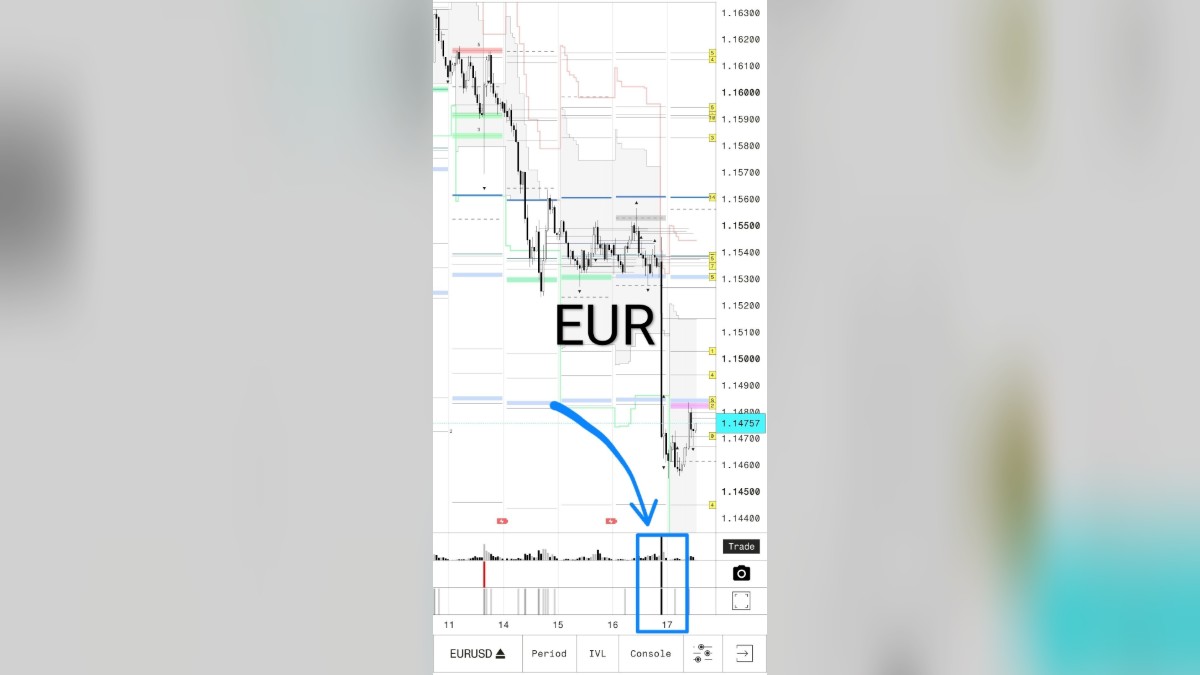
A familiar situation: you entered on a technically correct signal, price moved in your favor, and you took profit at the nearest target.
Then the market keeps moving. And the thought creeps in: "Why did I even close? I could have made so much more..."
That's FOMO, the fear of missing out.
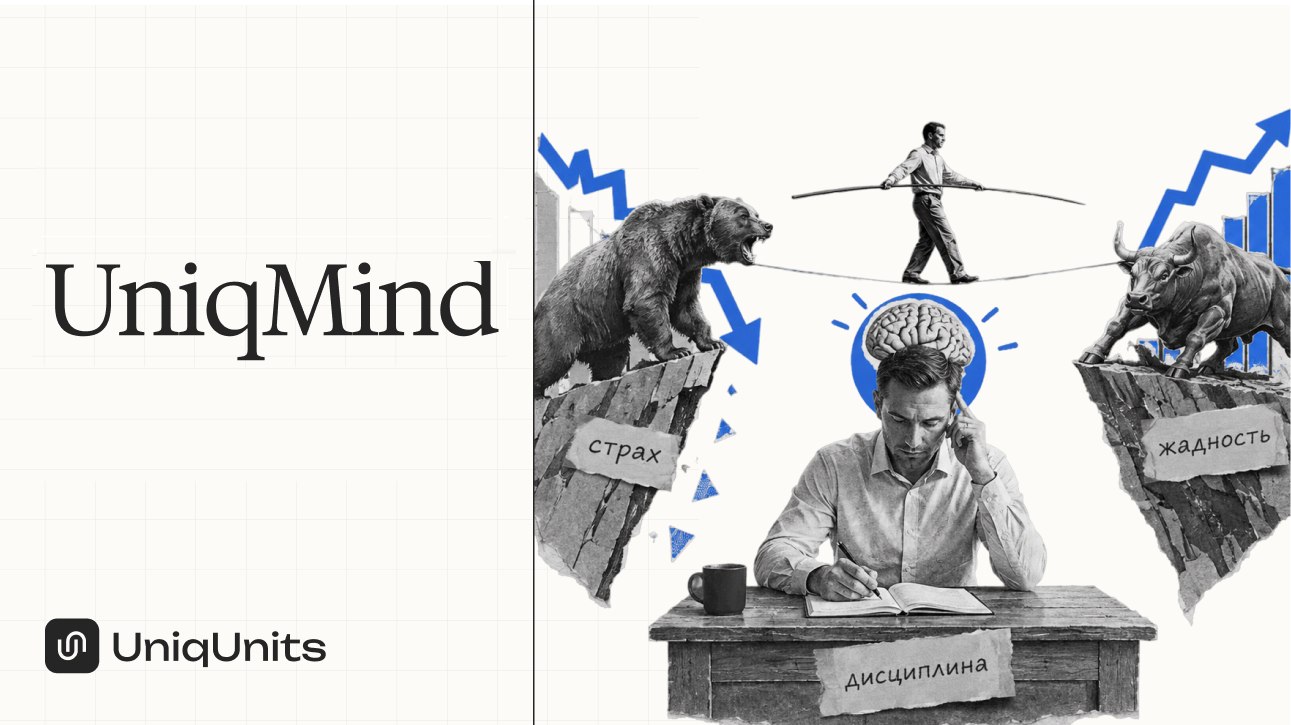
This is where many traders start chasing an already-formed move, increasing risk or removing their stop to stay in the position, or opening new trades without any analysis behind them.
So what's the actual problem?
Closing early is only the symptom. The problem is that the target was chosen without accounting for the scale of the move.
The market moves in cycles: daily, weekly, monthly, and beyond. The same move can be the end of one cycle and the start of another.
If you don't know which cycle is dominant right now, even a technically correct entry can lead to a loss, and to losing confidence in your own system.
How do you solve this systematically?
Before opening a trade, it's worth identifying: which cycle is dominant right now, and what kind of move that cycle implies.
That way, your target follows from market context, and you know in advance why you're exiting where you're exiting.
It also matters to stay open to the market shifting while you're in the position, in which case closing the trade early is the right call.
In UNIQUNITS, choosing your working cycle is built directly from the traded levels and is part of the methodology itself. It helps you find an entry and know upfront what kind of move you're trying to capture.
A good trade is one where you followed your system and understand why you exited where you did. Whether you caught the entire move is beside the point.
Track the data flow and real-time liquidity reaction through our app: