Order types and their risks:
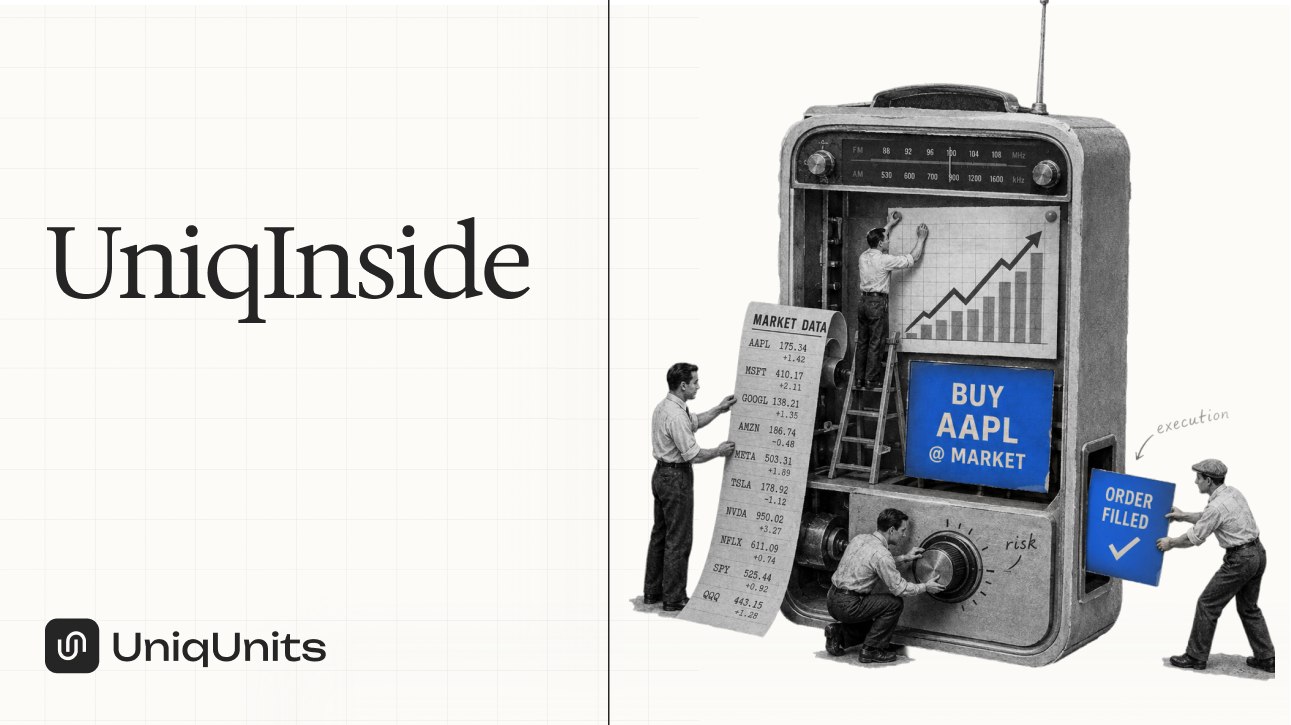
Market Order tells your broker: "execute right now, speed first, price second." It's the fastest way in or out, but it's also where slippage happens most often.
Limit Order locks in your price in advance: a buy triggers if price drops to your level, a sell triggers if it rises to your level. Price is under control, but there's no guarantee of execution, the market might simply never reach your level.
Stop Order and Stop-Limit Order both trigger once price hits a level. The first then fills as a market order (with slippage risk), the second as a limit order (with execution risk).
So where are your costs actually hiding?
Whichever order type you pick, every instrument always has two prices at once: Bid (the buy price) and Ask (the sell price).
The gap between them is the spread. It's a built-in cost of the market, you always buy a bit above and sell a bit below the "fair" price.
How to judge liquidity before you enter:
The more liquid the instrument, the tighter the spread. In practice, liquidity is judged by four things:
Trading volume over the period
Market depth (the order book)
The size of the Bid-Ask spread
Actual slippage on real fills
These are the numbers worth keeping in mind before entering with an unusual size on a thin instrument. A vague feeling that "the market seems calm today" is no substitute.
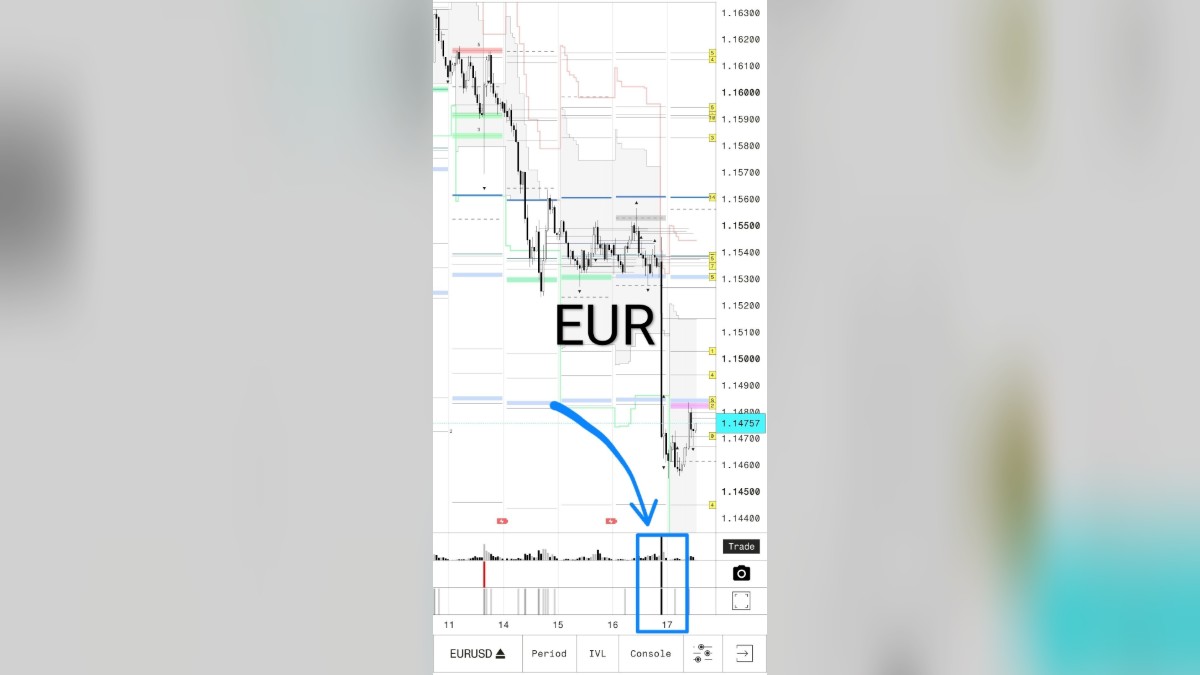
Track the data flow and real-time liquidity reaction through our app: