As promised, sharing a real story about how investment funds actually work.
A close friend of mine worked professionally investing in undervalued small and mid-cap stocks. I sometimes helped him with technical analysis to get better entries. Stocks like these were thin and illiquid: an order for 500,000 GBP would show up clearly in the order book and move price noticeably if executed as a single market order.
Part of the capital he managed came from family offices, small private funds managing wealthy families' assets, and from sub-management arrangements with other funds.
A month into managing money for one of these funds, my friend noticed two things. First, the fund's manager was requesting portfolio reports from his analyst with unusual frequency. Second, a few hours after each report went out, large trades would go through on some of the same stocks.
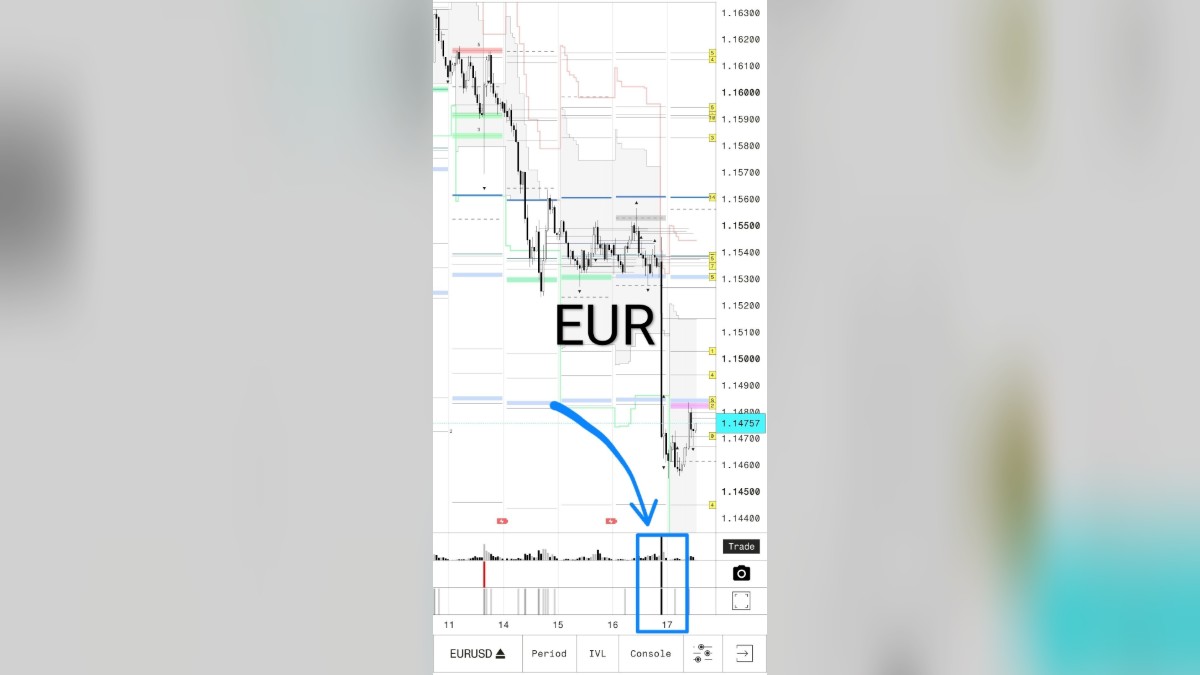
It turned out that, to avoid paying management fees, the fund had only handed my friend part of the capital and was copying his trades with the rest on its own. The test was simple: on the next report, the analyst "accidentally" included a very illiquid stock that wasn't actually in the portfolio. Sure enough, a big candle up, then an even bigger one down right after.
When I got a firsthand look at institutional trading culture myself, the main takeaway was this: it's run by ordinary people, not gurus. A lot of them are genuinely bad traders, and asset selection is often close to a coin flip.
So if you're ever thinking about handing your money to an investment fund to manage, think twice.
Photo taken by me in December 2019, at the Morgan Stanley office, Canary Wharf, London.
Track the data flow and real-time liquidity reaction through our app: