American physicist Simon Ramo, in his book Extraordinary Tennis for the Ordinary Player, broke down what wins matches. He looked beyond the score, at how each point actually ended.
In professional tennis, points really are won: a player executes a difficult, precise shot, and the opponent simply can't answer it.
In amateur tennis, it's the opposite: around 80% of points are handed over through unforced errors.
Ramo's conclusion: to win at the amateur level, it's enough to make fewer mistakes than your opponent.
Trading works the same way.
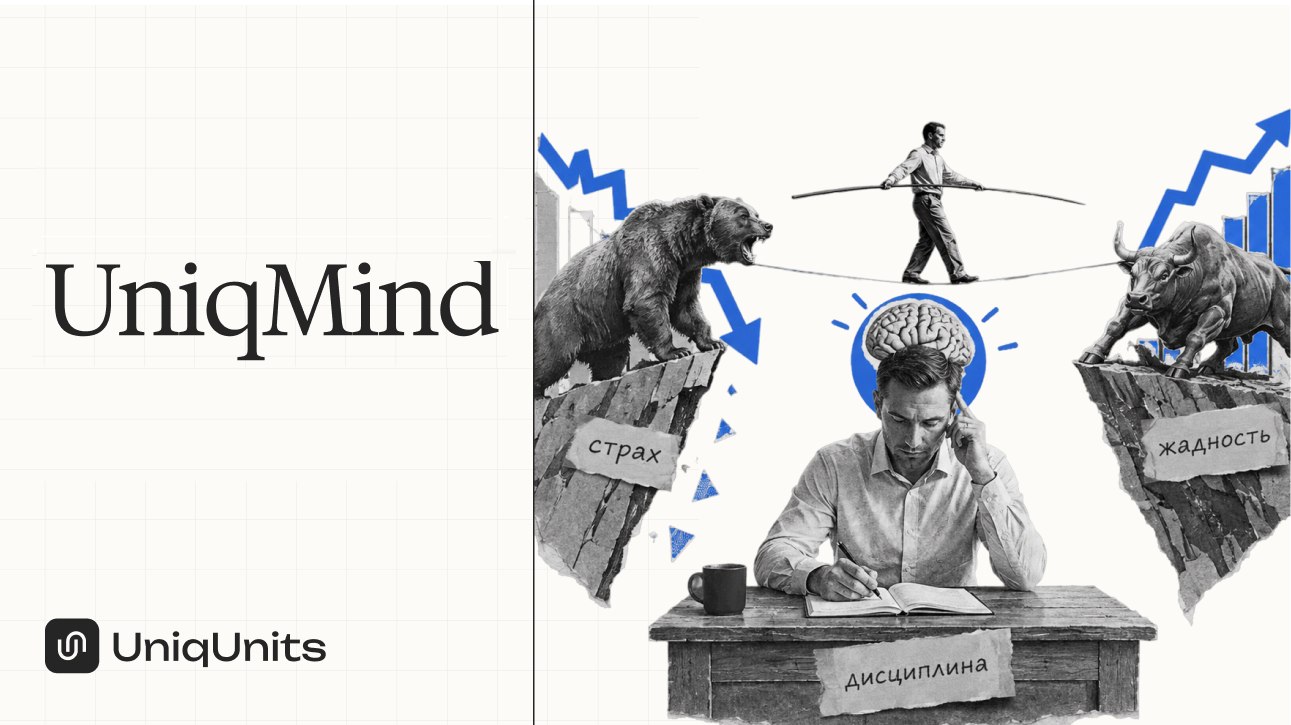
It feels like the path to results is hunting for entries, opening positions, being part of every move.
But knowledge is rarely what's missing. A big chunk of losses come from unnecessary actions:
— entering without a prepared scenario
— chasing a move that's already underway
— trading out of fear of missing out
— re-entering right after a loss
— breaking your own rules
At the same time, a losing trade that followed your scenario isn't automatically a mistake. And a profitable trade with no system behind it isn't automatically the right call either.
In the last post, we talked about how to cut down the urge to always be in a position: define two scenarios per currency in advance, lock in your entry conditions, and just check reality against the plan from there.
That's Ramo, applied to the market: eliminate the trades that shouldn't have happened in the first place.
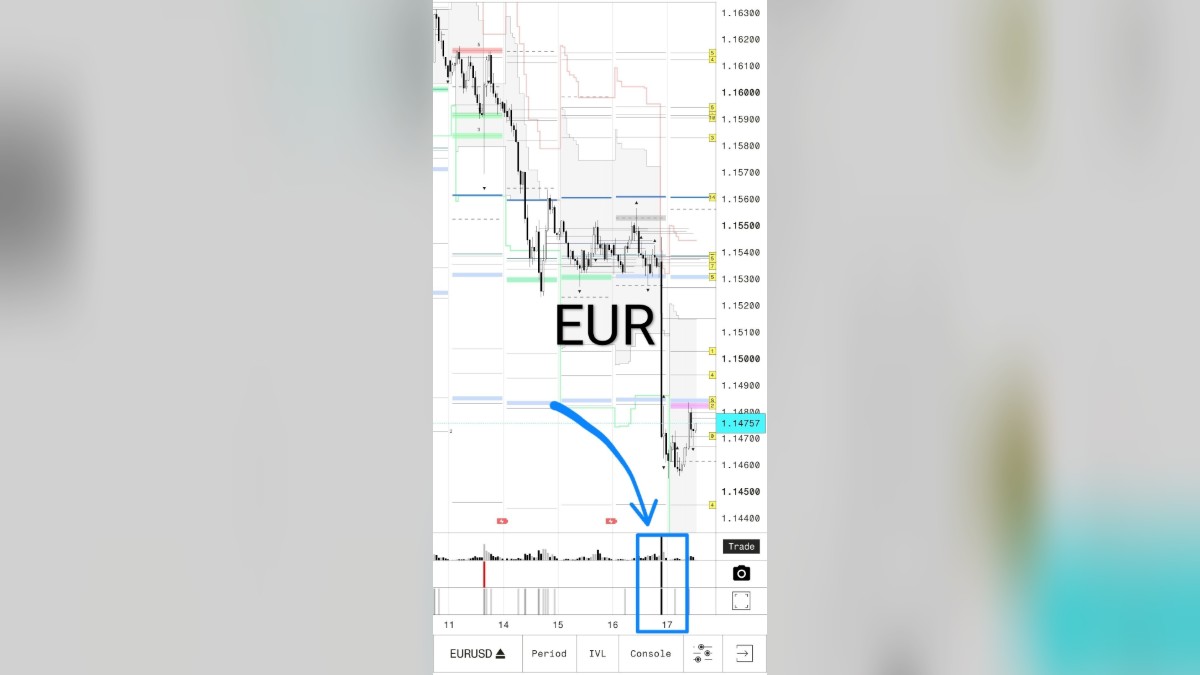
Track the data flow and real-time liquidity reaction through our app: